

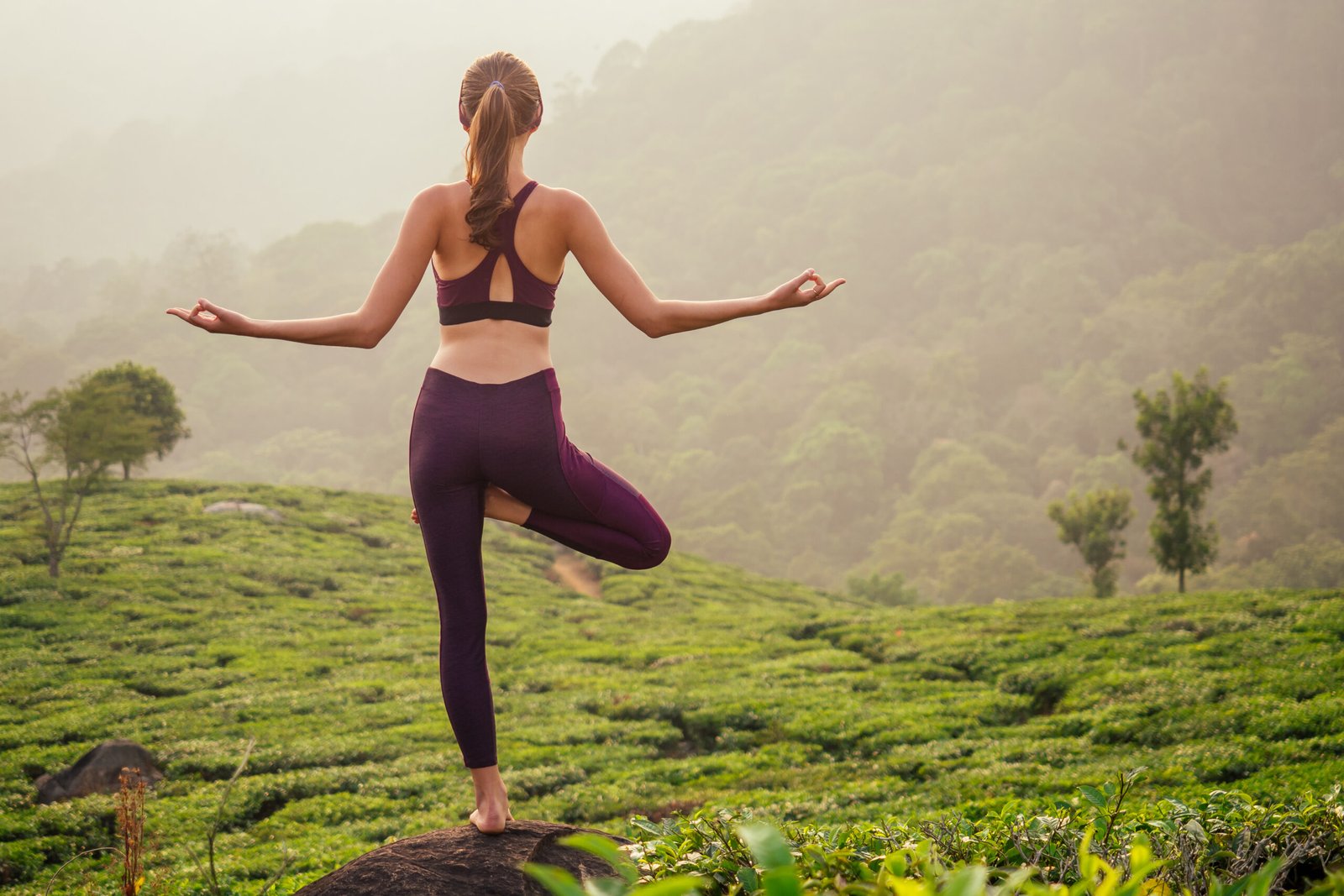
Yoga and Ayurveda are two interconnected systems of wellness that originated in India thousands of years ago. While Ayurveda focuses on balancing the body’s internal energies through personalized treatments, nutrition, and lifestyle practices, yoga strengthens the body and calms the mind through movement, breathing techniques, and meditation. Together, they create a holistic approach to health that promotes physical vitality, mental clarity, emotional balance, and long-term well-being.
The Connection Between Yoga and Ayurveda
How Are Yoga and Ayurveda Related?
Yoga and Ayurveda share a common goal: achieving harmony between the body, mind, and spirit. Often referred to as sister sciences, both systems work together to support overall health and prevent disease naturally.
Ayurveda focuses on understanding an individual’s unique constitution and restoring balance through therapies, herbal remedies, nutrition, and lifestyle guidance. Yoga complements this approach by improving flexibility, strength, mental focus, and emotional stability.
When practiced together, yoga and Ayurveda create a powerful foundation for complete wellness.
Why Is the Combination of Yoga and Ayurveda So Effective?
Modern lifestyles often contribute to stress, poor posture, sleep disturbances, digestive issues, and mental fatigue. Yoga and Ayurveda address these challenges from multiple angles, helping individuals achieve sustainable health improvements.
Benefits include:
- Improved flexibility and mobility
- Better digestion and metabolism
- Enhanced mental clarity
- Reduced stress and anxiety
- Stronger immunity
- Better sleep quality
- Increased energy and vitality
- Greater emotional balance
Benefits of Combining Yoga with Ayurvedic Practices
What Happens When Yoga and Ayurveda Work Together?
Ayurveda focuses on balancing the body’s internal energies, known as doshas, while yoga helps strengthen the body and calm the nervous system. This integrated approach supports healing on physical, mental, and emotional levels.
Some of the key benefits include:
Physical Wellness
Yoga improves muscle strength, flexibility, posture, and circulation. Ayurvedic therapies support detoxification, nourishment, and tissue rejuvenation.
Mental Wellness
Breathing exercises, meditation, and Ayurvedic stress-management practices help calm the mind and improve focus.
Emotional Balance
Together, yoga and Ayurveda help regulate emotions, reduce anxiety, and create a greater sense of inner peace.
Understanding the Three Doshas in Ayurveda
What Are Doshas?
According to Ayurveda, every individual has a unique combination of three biological energies known as doshas:
- Vata (Air and Space)
- Pitta (Fire and Water)
- Kapha (Earth and Water)
Maintaining balance among these doshas is essential for good health. Ayurveda recommends specific yoga practices based on an individual’s dominant dosha.
Yoga Practices Tailored for Different Doshas
Yoga for Vata: Grounding and Stability
How Can Yoga Balance Vata?
Vata individuals often experience restlessness, anxiety, irregular digestion, and difficulty relaxing. They benefit from slow, grounding yoga practices that promote stability and calmness.
Recommended poses include:
- Tadasana (Mountain Pose)
- Child’s Pose
- Seated Forward Bend
- Tree Pose
- Gentle Hip Openers
Benefits for Vata Types
- Reduces anxiety and nervous tension
- Promotes emotional stability
- Improves focus and concentration
- Encourages relaxation and better sleep
Yoga for Pitta: Cooling and Calming
How Can Yoga Balance Pitta?
Pitta individuals tend to be energetic, ambitious, and driven but may also experience irritability, inflammation, and excessive internal heat.
Cooling and calming yoga practices help restore balance and reduce stress.
Recommended poses include:
- Seated Forward Bend
- Gentle Twists
- Moon Salutations
- Reclining Bound Angle Pose
- Supported Restorative Poses
Benefits for Pitta Types
- Reduces excess heat in the body
- Encourages patience and relaxation
- Supports emotional balance
- Helps manage stress and tension
Yoga for Kapha: Energizing and Stimulating
How Can Yoga Balance Kapha?
Kapha individuals are naturally calm and grounded but may sometimes experience sluggishness, low motivation, and weight gain.
Dynamic yoga practices help stimulate energy and improve circulation.
Recommended poses include:
- Warrior Series
- Sun Salutations
- Backbends
- Standing Balancing Poses
- Chair Pose
Benefits for Kapha Types
- Boosts energy levels
- Enhances circulation
- Improves motivation and focus
- Supports healthy metabolism
Detox and Rejuvenation with Yoga and Ayurveda
Why Is Detoxification Important?
Modern lifestyles expose the body to stress, unhealthy foods, pollution, and environmental toxins. Over time, these factors can affect digestion, energy levels, and overall health.
Ayurveda focuses on eliminating accumulated toxins while yoga supports natural detoxification through movement, breathing techniques, and improved circulation.
Together, they help the body function more efficiently and promote long-term wellness.
Yoga for Digestion and Detoxification
Which Yoga Practices Support Detoxification?
Certain yoga postures stimulate digestive organs and improve metabolic function, helping the body naturally eliminate waste and toxins.
Effective poses include:
- Seated Spinal Twist
- Supine Twist
- Cobra Pose
- Bow Pose
- Shoulder Stand (with proper guidance)
Benefits of Detoxifying Yoga Practices
- Supports healthy digestion
- Improves metabolism
- Enhances circulation
- Increases energy levels
- Promotes overall vitality
Ayurvedic Cleansing Routines to Support Yoga
How Does Ayurveda Complement Yoga?
Ayurvedic cleansing practices help prepare the body for deeper healing and enhance the benefits of yoga.
Common Ayurvedic wellness routines include:
Oil Pulling
Swishing herbal oil in the mouth to support oral health and remove impurities.
Herbal Teas
Traditional Ayurvedic herbal teas help support digestion, detoxification, and immunity.
Abhyanga (Self-Oil Massage)
Warm herbal oil massage nourishes the body, improves circulation, and promotes relaxation.
Panchakarma Detoxification
A comprehensive Ayurvedic cleansing program designed to eliminate toxins and restore balance.
These practices work alongside yoga to improve overall wellness and vitality.
Yoga, Ayurveda, and Mental Well-Being
How Do Yoga and Ayurveda Support Emotional Health?
Mental health is a vital part of overall wellness. Stress, anxiety, and emotional fatigue can affect physical health and quality of life.
Yoga and Ayurveda help create mental balance through:
- Meditation practices
- Breathing exercises (Pranayama)
- Relaxation techniques
- Ayurvedic lifestyle recommendations
- Herbal wellness support
Regular practice can improve focus, emotional resilience, and inner peace.
Why Yoga and Ayurveda Are Essential in Modern Life
Today’s fast-paced world often leaves little time for self-care. Long work hours, excessive screen time, unhealthy eating habits, and constant stress can disrupt the body’s natural balance.
Yoga and Ayurveda provide practical tools to:
- Reduce stress naturally
- Improve physical fitness
- Enhance sleep quality
- Strengthen immunity
- Promote mindful living
- Support long-term wellness
By incorporating these practices into daily life, individuals can build healthier habits and improve overall quality of life.
Conclusion: Achieving Harmony Through Yoga and Ayurveda
True wellness is achieved when the body, mind, and spirit are in balance. Yoga and Ayurveda offer a comprehensive and time-tested approach to achieving this harmony naturally.
At Ayurgem Ayurveda in Munnar, guests can discover the transformative benefits of integrating yoga and Ayurveda in a peaceful natural setting. Whether your goal is stress relief, detoxification, rejuvenation, or complete wellness, these ancient healing traditions provide a powerful path toward a healthier and more balanced life.